The Emergency Fund Guide for Canadians: How Much You Actually Need (and Where to Keep It)
Most Canadians know they should have an emergency fund. Far fewer actually have one.
A 2025 survey found that nearly half of Canadians could not cover an unexpected $2,000 expense without borrowing. That is not a savings problem. It is a planning problem. And it is completely fixable.
This guide explains how much you actually need, where to keep it in 2026, and how to build it without upending your financial life.
What an Emergency Fund Is (and Is Not)
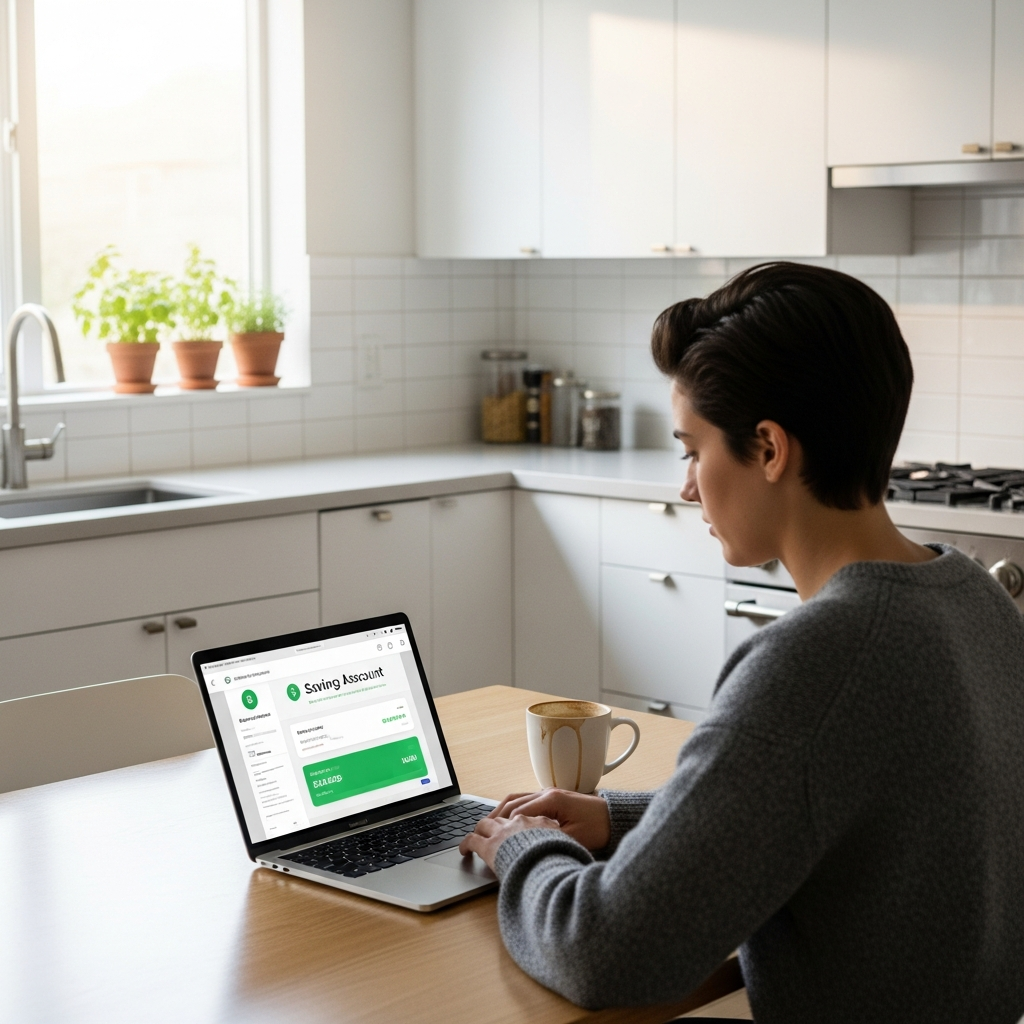
An emergency fund is cash set aside for genuine financial emergencies: a job loss, a medical expense your insurance does not cover, a major car repair, or a furnace that dies in January.
It is not a vacation fund. It is not money you dip into when you overspend on dining out. It is not your investment account. It is the buffer between you and debt when life does what life does.
The reason this distinction matters: many Canadians mentally earmark their TFSA or a line of credit as their emergency fund. A TFSA full of ETFs can drop 20% right when you need it. A line of credit can be pulled by your bank at the worst possible moment. Neither is a reliable emergency fund.
Cash in a high-interest savings account. That is what an emergency fund looks like.
How Much Do You Actually Need?
The standard advice is three to six months of expenses. That is correct but incomplete.
Here is a more useful framework. Think about your personal risk profile:
Three months is likely enough if:
- You have a stable salaried job in a growing industry
- You have dual household income
- You have minimal dependants
- You have strong employer benefits including short-term disability
Six months is the safer target if:
- You are in a volatile industry, a startup, or a contract-based role
- You have only one income in the household
- You have children or dependants who depend on you financially
- Your monthly expenses include a mortgage you would struggle to pause
Nine to twelve months makes sense if:
- You are self-employed or run your own business
- Your income is commission-based or highly variable
- You are in a specialized field where re-employment takes longer
- You are the sole earner for a family with significant fixed expenses
Now here is the number most people get wrong. Three months of expenses does not mean three months of take-home pay. It means three months of what you actually spend: rent or mortgage, groceries, utilities, transportation, insurance, debt payments. Not subscriptions you could cancel. Not dining out. Your true non-negotiable monthly costs.
Take those costs and multiply by your target number of months. That is your emergency fund target.
Where to Keep Your Emergency Fund in Canada (2026)
The goal is three things: liquidity, safety, and a decent return. You need to be able to access the money fast. You need it protected. And in a world where inflation exists, you want it earning something.
That rules out investing it in stocks or ETFs, keeping it in a chequing account, or stuffing it under the mattress. What you want is a high-interest savings account.
How to Choose an Emergency Savings Account
Savings rates and promotions change often. Instead of choosing an account from a dated ranking, compare the features that determine whether your emergency money will still work when you need it:
- Fast, reliable withdrawals with no lock-up period
- No monthly fee, minimum-balance trap, or withdrawal penalty
- A competitive ongoing rate—not only a short promotional rate
- Eligible deposit coverage and enough room within the applicable insurance limits
- An account kept separate from everyday spending but still easy to access in a real emergency
Before opening an account, verify eligible coverage with CDIC and review the Financial Consumer Agency of Canada guidance on emergency funds.
Should You Keep Your Emergency Fund in Your TFSA?
This comes up constantly in Canadian personal finance discussions, and the answer depends on your situation.
The case for keeping it in a TFSA: any interest you earn is completely tax-free. Higher-income earners benefit most. If you have TFSA room to spare, it is a smart wrapper for your savings.
The case against: if your TFSA holds investments like ETFs, you do not want to sell during a downturn to cover an emergency. Withdrawals from a TFSA also do not recover your contribution room until January 1 of the following year.
The cleanest approach: open a TFSA at a high-interest savings account provider like EQ Bank or Oaken Financial and park your emergency fund there. Tax-free interest, completely separate from your investment TFSA.
How to Build Your Emergency Fund Without Derailing Everything Else
Most people try to build their emergency fund in one dramatic push and fail. A better approach is to treat it like a bill.
Start with a number, not a feeling. Calculate your three-month expense number. Write it down. That is your target.
Automate a monthly transfer. Even $200 or $300 a month adds up. Set a recurring transfer from your chequing account to your HISA on payday. You stop noticing it within two months.
Throw windfalls at it first. Tax refund arriving? Put half in the emergency fund before you do anything else.
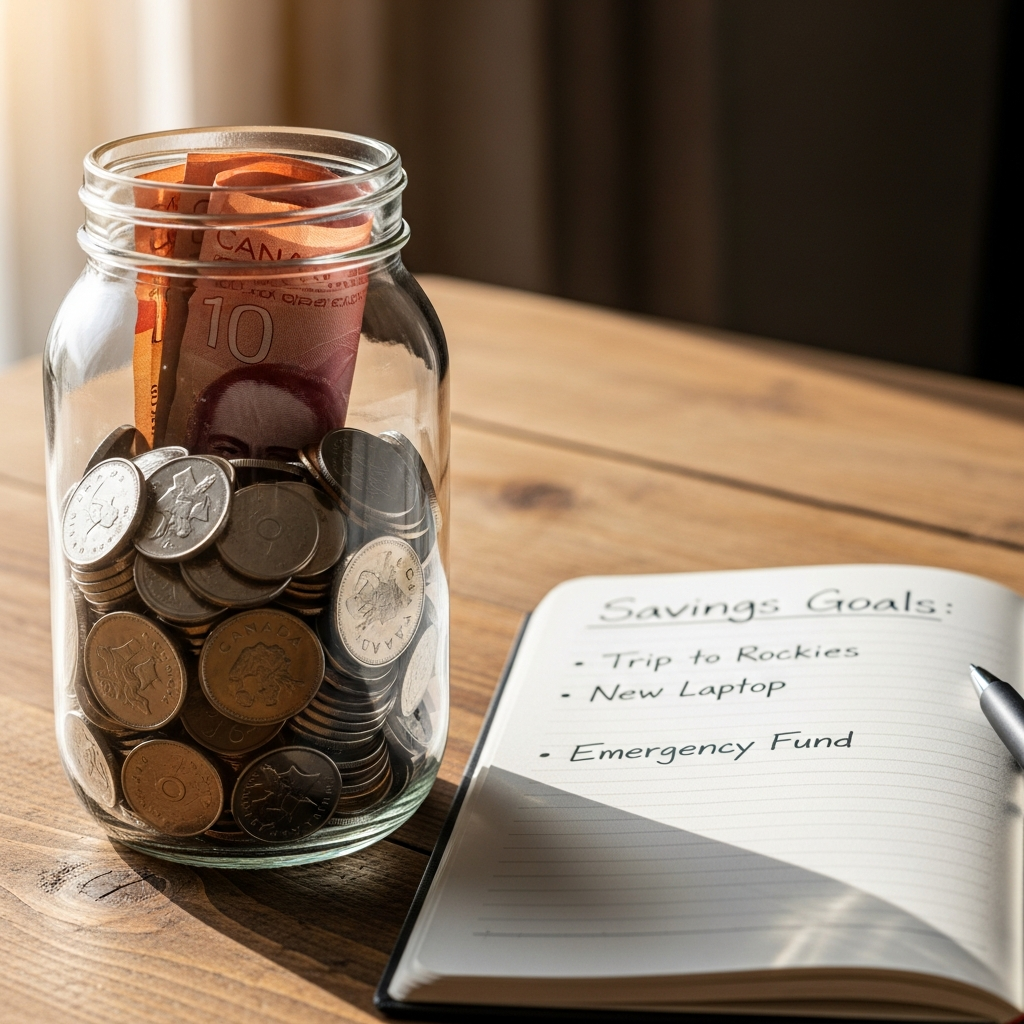
Set a deadline. If your target is $9,400 and you can put away $400 a month, you will hit it in just under two years. A real timeline you can work toward.
What Counts as an Emergency (and What Does Not)
One reason emergency funds get depleted quickly is that people use them for the wrong things.
Legitimate emergencies:
- Job loss or sudden reduction in income
- Unexpected medical expenses not covered by insurance
- Major home repair (furnace, roof, plumbing failure)
- Urgent car repair required to get to work
- A family emergency requiring immediate travel
Not emergencies:
- A sale at your favourite store
- A vacation you did not plan for
- A new phone because your current one still works
- Christmas gifts (that happens the same time every year)
Emergency Fund vs. Investing: Do Both
The answer is both, in the right order.
- Get to $1,000 as fast as possible. This handles most small emergencies.
- Pay off high-interest debt. Credit card debt at 20% costs more than any investment return.
- Build to three months of expenses.
- Start investing in a TFSA or FHSA.
- Continue building to six months while investing.
What to Do When You Use It
Using your emergency fund is not a failure. It is the fund working exactly as designed.
When you do draw it down, figure out how the emergency happened. Was it truly unpredictable? Or is there something you could plan for better next time?
Then rebuild it. Go back to the automated transfer. Treat rebuilding as the new priority until you are back to your target amount.
The Bottom Line
An emergency fund is the most boring, most important piece of your financial plan.
Target three to six months of your actual monthly expenses. Keep it in a high-interest savings account, ideally inside a TFSA if you have room. Automate the contributions. Do not touch it for non-emergencies.
That is the whole playbook.
Keep reading
Useful next steps
The RESP Guide for New Parents in Canada: Grants, Contributions, and Withdrawals
A practical 2026 guide to opening and using an RESP in Canada, including CESG and CLB amounts, contribution rules, plan choices, investing, fees, withdrawals, taxes, and what happens if your child does not attend school.
Read nextLearningHow to Prepare Financially for a Baby in Canada: The Complete 2026 Guide
A practical Canadian guide to parental leave, baby costs, the Canada Child Benefit, childcare, RESPs, insurance, wills, taxes, and the financial steps to take from pregnancy through your baby's first birthday.
Read nextLearningMaternity and Parental Leave Benefits in Canada: The Complete 2026 Guide
A practical 2026 guide to EI maternity and parental benefits, Quebec QPIP, standard versus extended benefits, employer top ups, self employed eligibility, applications, taxes, and realistic examples.
Read nextNewsletter
Get new posts in your inbox.
Finance and tech insights for Canadians — no spam, unsubscribe any time.